




Flow That Fits the Cell

Today we dive into Kanban System Tuning for Small-Lot Production Cells, translating pull signals into everyday habits that actually hold under volatility. Expect practical formulas, stories from noisy shop floors, and field-tested guardrails you can try this week. Share your hurdles, ask bold questions, and help us sharpen these ideas together.

Calibrating Card Counts and Container Sizes

Right-sizing the number of cards and container quantities is the hinges-and-bolts decision that makes flow whisper instead of groan. With small lots, average demand lies, and variability shouts. We explore safety factors, cycle time windows, and humane buffers that reduce firefighting without padding inventory. Comment with your trickiest SKU, and we will model it together.

Designing Supermarkets and Replenishment Loops Inside the Cell

Where you stage materials shapes motion, clarity, and courage. A modest supermarket with crisp lanes and unmistakable signals reduces wandering, second-guessing, and arguments about priority. We will place FIFO lanes where eyes naturally rest, define pitch visibly, and remove decision noise at the edge. Send photos of your current layout, and we will brainstorm respectful tweaks.

01

Choosing the Right Signal: Triangle, Two-Bin, or Electronic

Signals should be obvious at two paces and one glance. Triangle cards suit repetitive, low-variety items. Two-bin shines for consumables with clean packaging. Lightweight e-kanban helps when travel distance blurs accountability. Avoid hybrid confusion without clear rules. Tell us your favorite failure story, and we will translate it into a sharper signal choice.

02

FIFO Lanes that Survive Real Life

Perfect drawings collapse when carts appear and phones ring. Build FIFO lanes with hard edges, contrasting labels, and visual limits that trigger action instead of debates. Set audit moments into daily rhythm, not surprise inspections. If someone can quietly bypass the lane, expect it. Share a sketch, and we will strengthen the weak points together.

03

Milk-Run Cadence and the Friendly Runner

A dependable runner stabilizes the loop like a heartbeat. Fix routes, times, and handoff rituals. Equip carts for silence and easy verification. When variability spikes, change pitch deliberately rather than improvise frantically. Recognize the runner publicly; reliability deserves applause. Comment with your cadence and disruptions; we will suggest experiments that respect people and physics.

Heijunka Patterns that People Can Actually Run

Paper boxes beat heroic spreadsheets when eyes need instant truth. Build patterns that respect labor availability, maintenance windows, and learning curves. Use color families to reduce cognitive strain. Publish tomorrow’s pattern before the end of shift. Invite feedback, adjust gently, and celebrate predictability. Share your current sequence, and together we will remove its sharpest edges.

SMED Essentials Without the Jargon Fog

Walk the setup slowly with the doers. Separate internal from external, stage parts by reach, replace bolts with clamps, and script checks to avoid backtracking. Film once, learn thrice. Reward saved minutes with café-level gratitude. What is your longest recurring setup? Post the steps, and we will crowdsource respectful, reversible improvements right here.

WIP Limits and Visual Controls People Trust

Caps should protect attention, not punish momentum. We will frame WIP as a promise to finish, not a barrier to start. Boards must breathe like the cell, using simple lanes, aging marks, and honest blockers. Audits become conversations, not courtroom scenes. Drop a snapshot of your board, and we will nudge clarity without adding managerial glitter.

Designing a Board that Speaks at a Glance

Use big fonts, ruthless contrast, and stable locations. Age work visibly with time dots or gentle color shifts. Make block reasons selectable, not handwritten epics. Define escalation paths with friendly verbs. Invite operators to rename columns in their own words. Share your before-and-after, and inspire someone else to reclaim ten minutes of every hour.

WIP Limits that Encourage Finishing Energy

Pick limits by observing real capacity under calm conditions, then stress-test during heavy days. When queues burst, first swarm, then learn. Pair limits with explicit help rules to avoid quiet suffering. Celebrate completed batches publicly. Tell us your stickiest queue, and we will help craft humane constraints that release pressure without hiding essential learning signals.
Gentle Andon and Respectful Responses

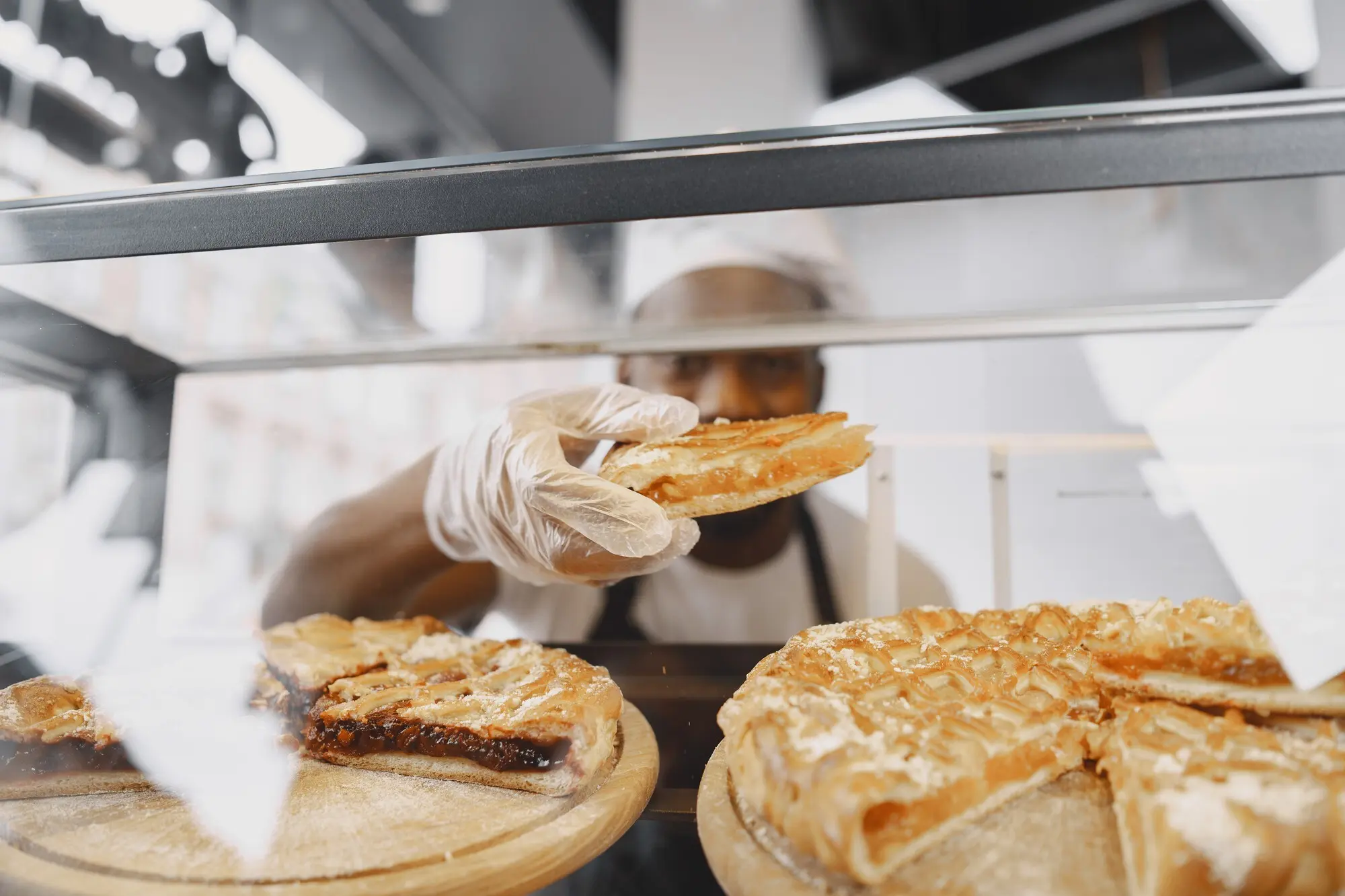
Pulling help should feel safe, quick, and purposeful. Define what merits a call, then practice responses until calm becomes muscle memory. Visualize status with lights or flag cards that cannot be ignored. Review patterns kindly. Post an example of a recurring interruption, and we will co-create a playbook that turns panic into shared, practiced moves.

Metrics that Guide Without Distorting

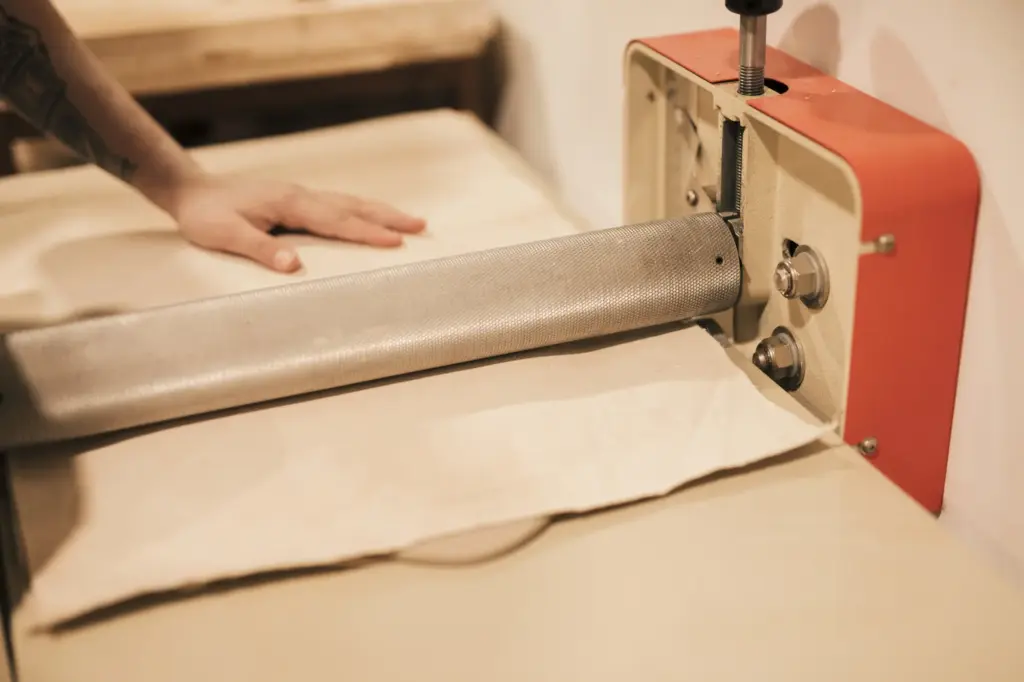
Numbers should illuminate trade-offs, not breed anxiety. We will combine lead-time scatter, kanban aging, and stockout tallies to shape experiments the team actually believes. Service level beats average, and distributions top single points. Dashboards will fit on one page and one breath. Share your favorite metric mishap, and we will design a kinder, sharper scorecard.

Seeing Flow in Distributions, Not Averages

Plot histograms for replenishment lead time and watch where tails bite. Track percent within promise, not just mean. Annotate shifts with real causes—maintenance, supplier slip, batch split. Celebrate narrowing spreads. Post your last month’s data, even messy, and we will sketch overlays that turn confusion into decisions and arguments into gentle learning opportunities.

Spotting Aged Cards and Quiet Blockers

Aging reveals invisible friction. Mark thresholds that trigger a check-in, not blame. Categorize blockers into material, quality, staffing, and scheduling, then remove one root cause weekly. Build a habit of tiny victories. Comment with a stubborn blockage pattern, and together we will craft experiments that respect constraints while steadily freeing precious capacity.

Extending the Loop Beyond the Cell

Pull signals shine when partners echo them. We will align pack sizes with real consumption, sync pitch with inbound runs, and invite quality and maintenance to dance with the same cadence. Digital tools can help, but only after habits harden. Introduce your upstream or downstream pain, and let’s co-design respectful interfaces that everyone understands immediately.

01

Supplier Alignment Without Endless Meetings

Share simple demand bands, visual packaging standards, and replenishment calendars that survive turnover. Pilot on a single part family, then grow. Pay partners with stability and friendly problem-solving, not endless emails. Tell us your stickiest supplier mismatch, and we will outline a starter kit that builds trust while lowering both sides’ firefighting load.

02

Quality and Maintenance Inside the Signal Loop

Connect quality checks and planned maintenance to card movement, not distant schedules. Hold buffers where risk concentrates, then shrink them as issues fade. Tag defects to triggers that managers and operators can see together. Post a recurring defect with context, and we will suggest countermeasures that harmonize reliability, throughput, and everyday human sanity.

03

Lightweight Digital Support, Real-World Discipline

Digitize only what humans already do well on paper. Use tablets or scanners to time-stamp cards, highlight aging, and nudge replenishment cadence. Keep power-off fallback ready. Avoid features that hide responsibility. Share your tool landscape and constraints, and we will map a minimal path that augments clarity without stealing hard-won team autonomy.

Lorofexopento
Privacy Overview

This website uses cookies so that we can provide you with the best user experience possible. Cookie information is stored in your browser and performs functions such as recognising you when you return to our website and helping our team to understand which sections of the website you find most interesting and useful.